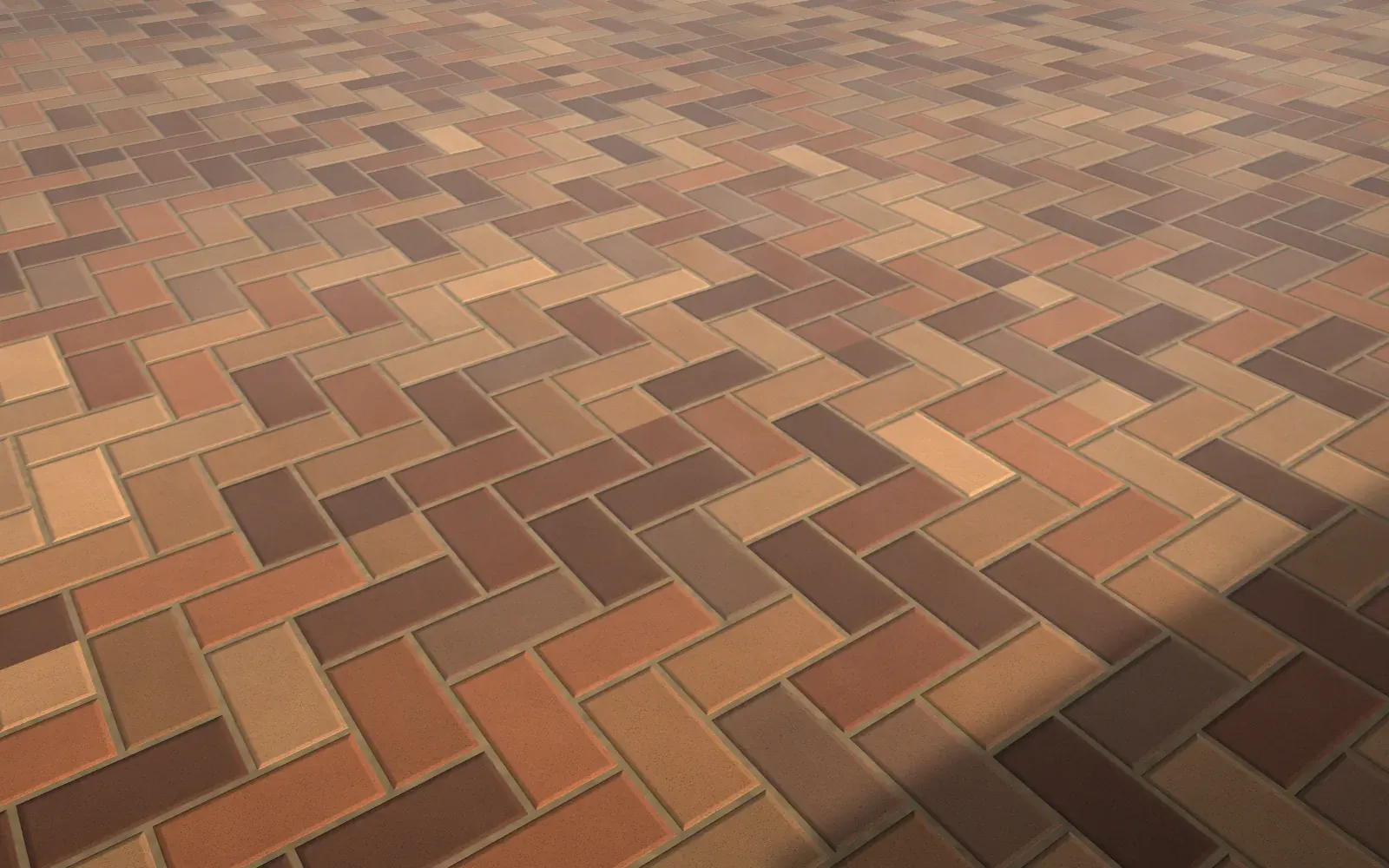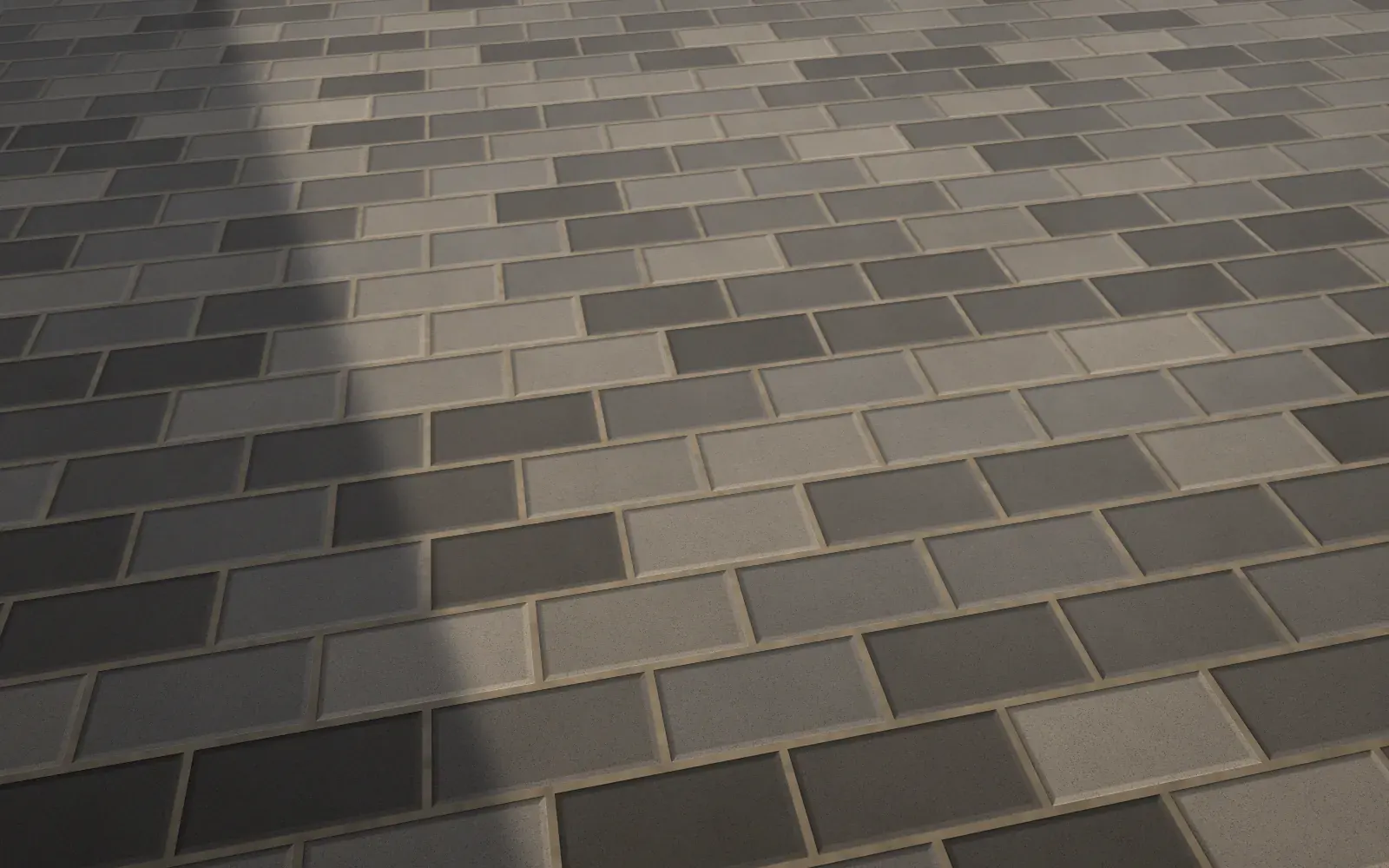
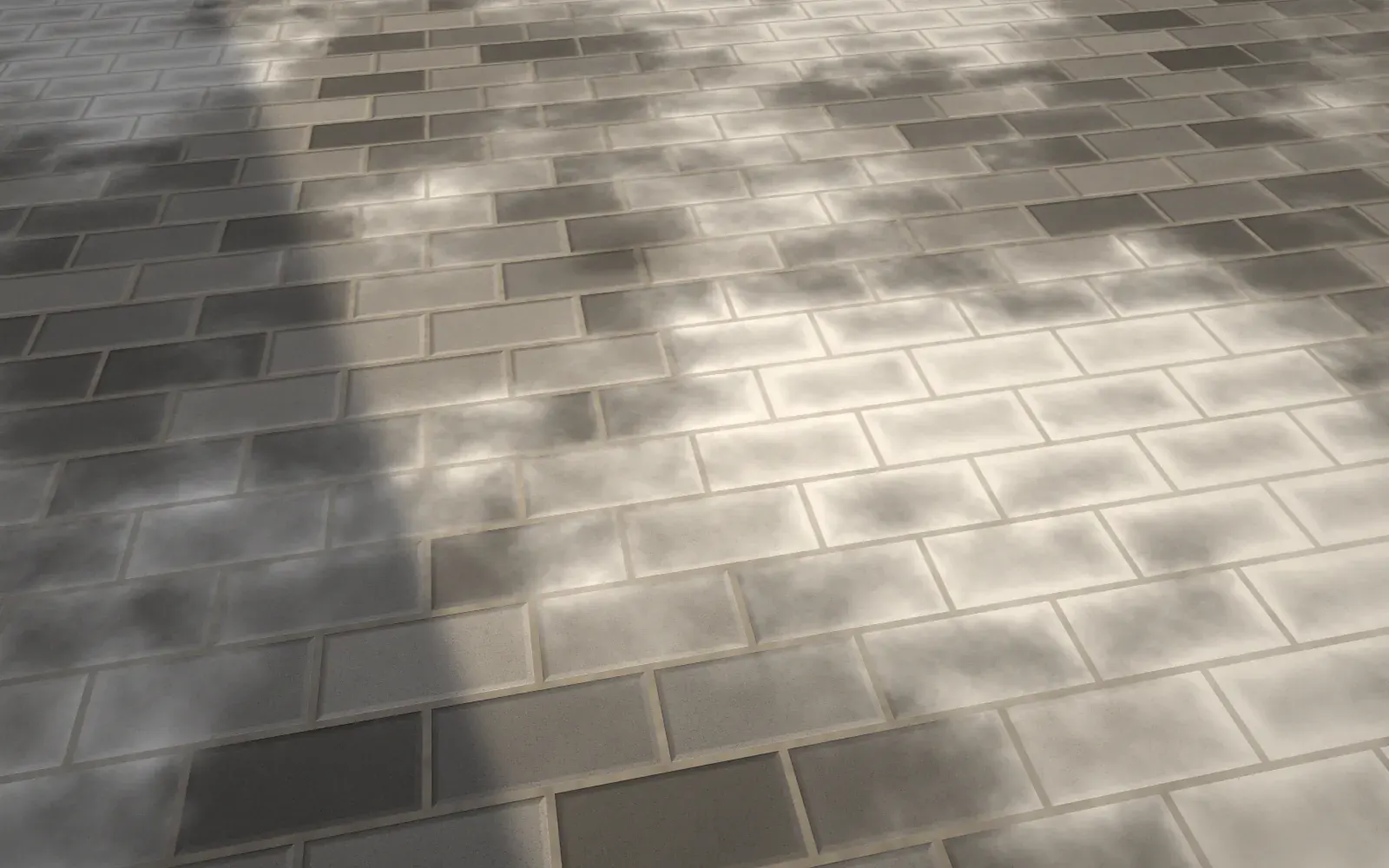
How this protects your pavers
Cleaning removes what is wearing your pavers down right now. Following it with a seal helps keep that grime and staining from coming back, so the pavers stay in better shape.
What we remove
- Efflorescence (white salt haze) with a dedicated cleaner, not just water.
- Oil and grease on driveways, and rust stains from furniture or sprinklers.
- Hard-water and sprinkler spots common on pool decks.
- Dirt, algae in shaded areas, and old failing sealer.
Why a surface cleaner instead of a wand
- A rotary surface cleaner spreads pressure evenly, so you don't get zebra stripes or etched pavers.
- It pulls less joint sand than a straight wand; any sand lost gets replaced with polymeric sand.
Paver Cleaning questions
What is efflorescence on pavers?
A white, chalky residue left when water carries natural salts to the paver surface and evaporates. It's cosmetic and can be removed with the right cleaner.
Will pressure washing damage my pavers?
It can with too much pressure or a narrow nozzle. We use a rotary surface cleaner at appropriate pressure and replace any joint sand that comes out.
Should I seal after cleaning?
Sealing right after cleaning protects the result and slows stains and efflorescence from coming back.